 EN
EN


Adopting Advanced Wire Management Solutions in 2025
As much as we like to ignore it, more technology coming to our desks means more clutter underneath, and by 2025, the usual mess of power strips and zip-tied cords will not only be an eye sore, it will be downright nostalgic. We are entering new territory, and our workspaces are expected to be as intelligent and responsive as the electronics they accommodate. This purposeful evolution drives the need to rethink the encumbrance caused by our tech. We are moving beyond simple containment and organization to strategically integrated tech that harmonizes with the work environment. Wire management has become more than a simple housekeeping chore. At this point, it is an invaluable organizational and safety investment that will determine the level of productivity your workspace will enable. This captures the essence of the tech-forward worker to an integrated workspace, ready to embrace the future.
The Problems with Old-School Cable Management
In order to understand our end goals it is sometimes necessary to look back to what our goals used to be. For a long time, the goal used to be simply hiding cables. Solutions like plastic trays, adhesive clips, and velcro ties do solve some of the visual clutter problems, but are not a long term solution. None of these options are really dynamic solutions either, a project to add or remove just one cable can be tedious and frustrating. They do not solve power distribution, overheating from coiled wires, or troubleshooting a bad connection. With the increased usage of Internet of Things devices and streaming and conferencing equipment, the old cable management systems do not work. They adapt poorly to change, and can create new problems. Dense, inaccessible cable nests are common and very hard to maintain. Recognizing these problems has helped guide the company to a more practical cable management solution.
Defining Features of a Futuristic 2025 Solution
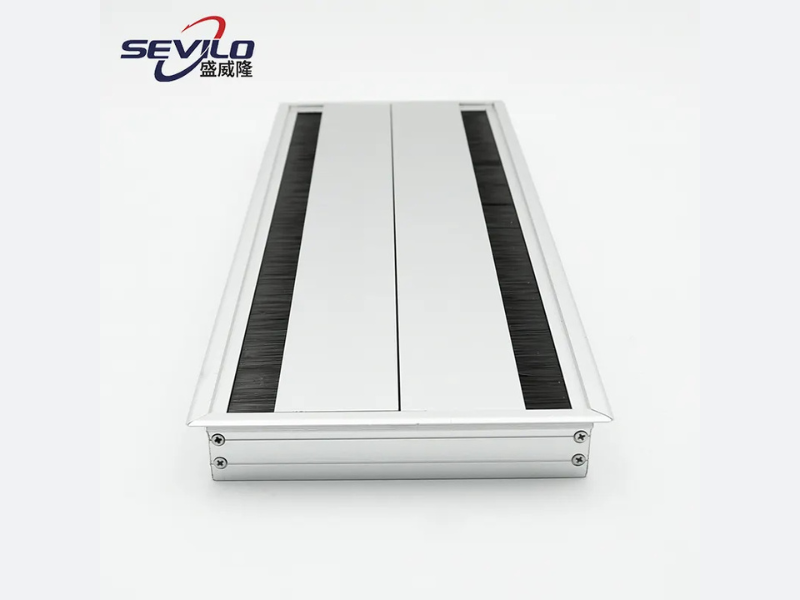
What defines a more advanced wire management system over the coming years? Integration, intelligence, and design of the system in simply functional ways working in synergy. First, integration means solutions provided are a part of the workplace's architecture. A workplace having power and data integration/flows via structural channels in desks and walls having provision of access through passes or grommets which are multifunctional. These can provide a link as well as provide integrated ports for charging. The design of the conduit, or the wires, that is the wire management system is planned right from the design stage and is not an afterthought. Second, intelligence of the cable management system is an important feature. A smart strip for cable management that has features like monitoring and controlling single outlets of the strip and can remotely cut energy used or power plugged devices help in energy management and are an edge. Sensors that monitor strain are helpful in informing a user of cable issues such as overheating, and potential for failure are prewarning, helpful. Finally, the intended purpose of the advanced wire management solution of decoration is helpful. Wire management is in some cases, intentionally, done in an aesthetically pleasing way. These solutions include coffered, crafted or wood conduit which turns the purpose of infrastructure into a decoration rather than a design distress. Consequently, the advanced solution aesthetically adds to a working space and doesn't detract from the over arching purpose of working.
Integrating Advanced Systems in the Real World
Moving to this benchmark standard can feel overwhelming, but it can be broken down as steps in a journey. The first step in the process is a professional assessment of your existing system. What is the total power and data requirement? Where will each device be positioned? Where are the current system pain points? If this is a new build or a major renovation, collaborate with your furniture supplier and electrician to embed raceways and access points directly into desks and walls. For existing spaces, retrofitting spaces is a very efficient solution. Examples of retrofitting include new modular under-desk electrical troughs which combine power and data, upgrading PDUs to smart versions, and replacing standard grommets with more advanced units featuring wireless charging and USB-C hubs. The objective is to build a modular, centralized, and frictionless system. If they're are major zones of the system, like collaboration spaces and executive suites, focus mainly on these. Working with a professional like Sevilo Hardware will guarantee you the latest hardware and system design flexibility. Advanced wire management is a major improvement of your business processes.
Tangible Benefits and Present Day Outlook
The advantages of adopting this system go well beyond its neat appearance. A great reduction in downtime and IT support tickets due to loose cables, overloaded circuits, etc. is the most immediate and obvious benefit. Extra safety is also a concern, with the decrease of tripping hazards and the reduced risk of electrical fires from overheating cables. Employees mentally and physically gain time and productivity, as there is no longer the need to struggle with cords or search for an outlet. Additionally, the systems in question are very scalable, as the addition of a new workstation or device is simply a plug and play - there is no need for a disruptive rewiring. In the near future, the distinction between wire management and workspace intelligence will become even less defined. We expect the future integration with building management systems to be a combination of energy usage data from smart strips in building systems and goals in sustainability, with even suggestions driven by AI. By adopting advanced wire management, you are not simply organizing cables. You are building the infrastructure for a workspace that is more intelligent, more flexible, and more efficient.