 EN
EN


Evaluating Shelf Support Brackets for Longevity
If you're working on a furniture project or sourcing components for manufacturing, you've likely considered those unsung heroes: shelf support brackets. They may seem like simple, standard hardware, but choosing the right ones is crucial. The correct shelf support brackets can mean the difference between a reliable, sturdy, long-lasting shelf and one that is constantly wobbly and sagging. Today, we'll take a close look at the key factors to consider when evaluating the longevity and overall performance of shelf support brackets.
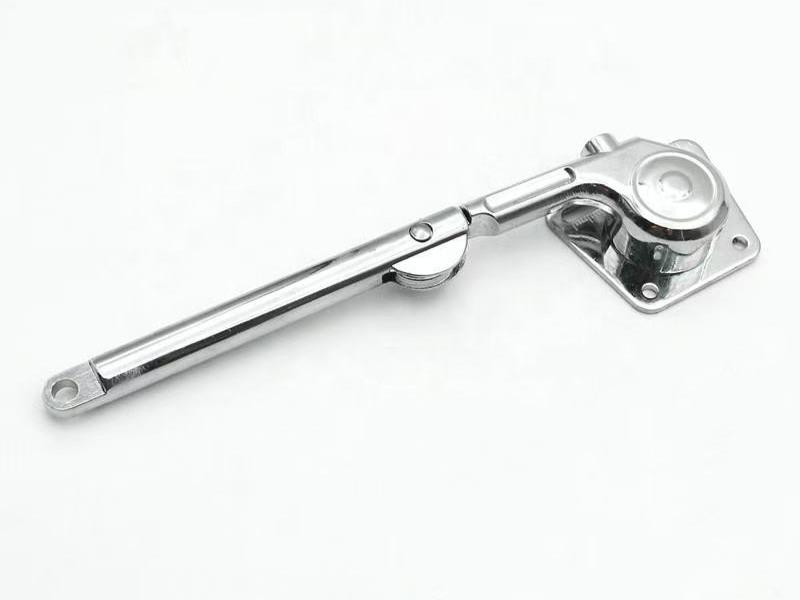
What Exactly Do Shelf Support Brackets Do?
Let's start with the basics. What is their primary function? Think of them as the hidden foundation for your shelves. Whether in a bookcase, kitchen cabinet, office storage unit, or retail display, their main job is to bear the load. They transfer the weight of everything on the shelf—books, dishes, equipment—down to the vertical structure or wall. A failure here isn't just a broken bracket; it can lead to damaged belongings, a ruined furniture piece, or even a safety hazard. That's why, beyond just price, it's essential to assess the inherent reliability and durability of the brackets you select.
Material: The Foundation of Longevity
When discussing longevity, the material is the most critical factor. Not all metals are created equal.
-
Steel vs. Aluminum vs. Zinc Alloys: Heavy-duty shelf support brackets are typically made from steel, prized for its superior strength and load-bearing capacity. Aluminum alloys are lighter and offer good corrosion resistance, making them excellent for applications where weight is a concern. Zinc alloys, often used in die-casting, provide decent strength for specific designs and can be more cost-effective for certain production volumes.
-
The Importance of Thickness and Grade: It's not just about the type of metal, but also its thickness (gauge) and grade. A thicker, high-grade steel bracket will resist bending and deformation under load far better than a thin, low-grade alternative. A reputable manufacturer selects the material grade based on the intended use-case of the bracket.
-
Surface Finishing – The Protective Shield: This is where long-term durability is truly determined. Left bare, steel brackets will rust. A high-quality powder coat or electroplating (like nickel or zinc plating) is essential. This finish should be even, adhere firmly, and be sufficiently thick to resist scratches, wear, and environmental factors. In moisture-prone areas like kitchens and bathrooms, a superior finish is non-negotiable.
Design and Engineering for Effective Load Distribution
A strong material is ineffective with a poor design. The bracket's shape and engineering dictate how stress is distributed.
-
Reinforcement is Key: Look for designs with added gussets (the triangular supports in the corner), ribbing, or curved transitions. These features aren't merely aesthetic; they combat flexing and concentrate strength at the critical junction where the bracket meets the wall and supports the shelf. A simple, flat L-shaped piece of metal will fatigue and fail much sooner under significant load.
-
Bearing Surface Area: The part of the bracket that actually cradles the shelf is crucial. A wider, deeper lip provides greater support, preventing the shelf from tipping or shifting. Some brackets feature a lipped or rolled edge for added rigidity and a safer, smoother bearing surface.
-
Fastener Holes and Alignment: The design must include properly sized and positioned holes for screws or bolts. More holes can allow for a more secure attachment. Countersunk holes enable screw heads to sit flush, creating a cleaner look and better surface contact. Precise hole placement ensures the bracket aligns correctly during installation, preventing uneven stress.
The Impact of Installation and Usage
Even the best-designed bracket can fail if installed incorrectly or misused.
-
Correct Mounting Surface: Brackets must be fixed to a solid backing. For walls, this means anchoring into studs. For furniture panels, ensure the material (particle board, MDF, solid wood) has sufficient density and thickness to hold the fastener securely. Using appropriate wall plugs for masonry is also vital.
-
Using the Right Fasteners: Never compromise on screws! They must be the correct length, diameter, and type for both the bracket holes and the mounting surface. Manufacturers usually provide these specifications.
-
Respecting the Weight Limit: Every well-designed bracket has a rated load capacity. This is a maximum limit, not a suggestion. Exceeding it, especially with dynamic loading (e.g., slamming weight onto the shelf), is a primary cause of failure. Always incorporate a safety margin.
Manufacturing Quality and Rigorous Testing
This is where partnering with an experienced supplier proves its value. A manufacturer with over 15 years in furniture hardware, operating from a substantial facility, typically has refined its process control.
-
Precision Manufacturing: Consistency is paramount. Every bracket in a batch should be identical, with clean edges, precise bends, and free of burrs or imperfections. Modern machinery in a dedicated factory ensures this repeatability.
-
Stringent Quality Control: Rigorous QC checks at every stage—from raw material inspection to final coating—catch defects early. This means you receive brackets that meet precise specifications every single time.
-
Real-World Testing: Beyond basic measurements, reliable suppliers perform actual load tests, fatigue tests (simulating repeated use), and finish adhesion tests. They validate their designs by simulating years of service in a controlled environment. Asking a supplier about their testing protocols can reveal much about their commitment to durability.
Making the Smart Choice for Your Project
When evaluating options, look beyond the price per piece. Consider the total cost of ownership. A slightly more expensive, well-made bracket from a trusted supplier prevents future callbacks, repairs, and customer complaints. For OEMs and furniture makers, the reliability of these small components directly impacts the reputation of your final product.
In summary, analyzing shelf support brackets for durability requires a holistic view of material science, intelligent design, correct application, and robust manufacturing. It's about finding that optimal balance of strength, precision, and protective finishing to ensure the shelves you build or furnish will reliably stand the test of time and weight.