 EN
EN


The Role of Closet Clothes Hangers in Efficiency
When planning an organized closet, we often think about the big-ticket items first: the custom shelving, the soft-close drawers, or the perfect lighting. Yet, one of the most impactful elements is also the most humble—the closet clothes hanger. Often dismissed as a disposable commodity, the right hanger is, in fact, a critical tool for maximizing space, preserving your wardrobe, and streamlining your daily routine. Your choice of hanger directly dictates how much you can store, how long your clothes maintain their shape, and how quickly you can find what you need. The journey from a cluttered catch-all to a time-saving, functional wardrobe system truly begins when you move beyond the flimsy wire hanger from the dry cleaner.
An efficient closet isn't just about cramming in more items; it's about creating a logical, accessible, and gentle system for your belongings. The closet clothes hanger is the essential interface between your garments and your storage space. Its design, material, and functionality determine whether your closet works seamlessly for you or becomes a daily source of frustration. For manufacturers in the furniture hardware industry, understanding this role is paramount. The humble hanger represents a direct, daily touchpoint for the user, demonstrating how thoughtful design in even the smallest component can dramatically improve the overall experience.
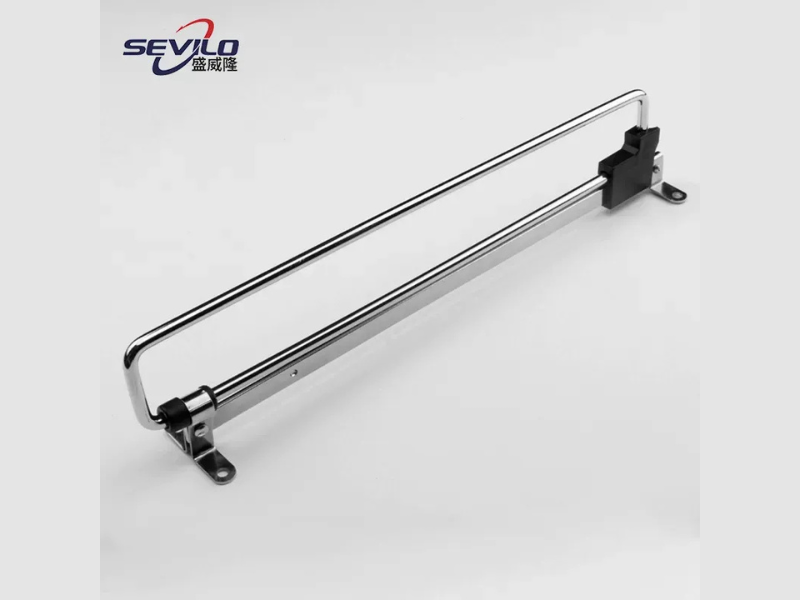
Hanger Design and Its Direct Impact on Space
Not all hangers are created equal. Their shape and profile are the first factors that dictate efficiency in your closet.
The thin, curved wire hanger is the most common but also the most inefficient. Its sloped shoulders cause shirts to slip off and create a perpetually disorganized, cramped appearance. In stark contrast, slim-line hangers feature a flat, non-slip profile that acts as a space-saving champion. Made from materials like velvet flocking, thin molded plastic, or sleek wood, they allow garments to hang straight and close together without slipping. By converting a collection of mismatched, bulky hangers to a uniform set of slim-line versions, you can instantly increase your hanging capacity by 20 to 40 percent without needing a longer rod. This uniformity isn't just about aesthetics; it creates a predictable, orderly system where every inch of valuable rod space is fully optimized.
Beyond the basic silhouette, specialized hangers target efficiency for specific garment types. Cascading or tiered hangers allow multiple pairs of pants or skirts to occupy the vertical space of a single hook. Padded hangers with wide, curved shoulders are essential for delicate knits and structured blazers, preventing unsightly shoulder bumps and helping garments retain their intended shape. For accessories, multi-clip hangers consolidate scarves, ties, or belts in one place, freeing up drawers. Choosing the right specialized tool is a core principle of an efficient system, and it applies perfectly to mastering your closet organization.
Material and Durability: The Foundation of a Lasting System
The material of your closet clothes hanger is what determines its longevity, grip, and how it interacts with your fabrics. A flimsy hanger that bends, breaks, or snags is the antithesis of efficiency—it creates waste, frustration, and can damage your clothes.
Durable plastic and wood hangers form the reliable backbone of an efficient system. However, the surface texture is a critical detail often overlooked. A smooth plastic or wooden hanger can allow silky garments to slide off, while a velvet-flocked surface provides superior grip, keeping clothes neatly aligned and in place. For wood, a smoothly sanded finish is essential to protect fine fabrics from snags. The goal is to select hangers that act as gentle, reliable stewards for your clothing, season after season, eliminating the need for constant replacement and the disarray it causes.
Furthermore, the hardware that connects the hanger to the rod—the hook—is a small component with significant consequences. A weak, thinly coated metal hook can bend under weight or rust over time, potentially staining a favorite shirt. A robust, well-finished hook with a smooth swivel ensures hangers glide effortlessly along the rod without catching, making it simple to browse through your wardrobe. This attention to the quality of even the smallest metal part reflects a deep understanding of what makes a storage system truly efficient and durable over the long term.
Innovative Design for Enhanced Accessibility and Care
Modern hanger design has evolved to solve specific, everyday pain points, introducing smart features that boost efficiency through clever engineering.
One of the most significant advancements is the widespread use of non-slip surfaces. Achieved through flocking, rubberized coatings, or textured grooves, this simple feature ends the daily annoyance of clothes sliding to the floor. It also keeps necklines centered and collars straight, subtly reducing morning prep time. For trousers, modern hangers with patented clamping mechanisms distribute pressure evenly across the waistband, preventing creases and fabric damage—a major improvement over the harsh pinch clips of the past that often left permanent marks.
Connectable or interlocking hanger systems take space optimization to another level. These hangers feature integrated hooks that allow them to hang vertically from one another, creating a "cascading" column of clothes from a single point on the rod. This is exceptionally efficient for storing seasonal items, workout clothes, or entire outfits together, freeing up horizontal rod space for your daily essentials. It introduces a layer of vertical organization that traditional, single-purpose hangers simply cannot offer.
Integrating Hangers into a Cohesive Closet Ecosystem
Ultimately, the most efficient closet clothes hanger is one that works in perfect harmony with the rest of your closet's infrastructure. The hanger is a single component in a larger ecosystem that includes the rod, shelf depths, and lighting.
The synergy between hanger and rod is primary. A closet rod installed at the correct height—high enough for long dresses but with space below for double-hanging—maximizes the utility of every hanger. Similarly, ensuring adequate depth between the rod and the back wall prevents clothes from being pushed into a wrinkled mass. Effective lighting that clearly illuminates the hanging area makes the color and detail of each garment immediately visible, ensuring the efficiency gained from good hangers is fully realized the moment you go to choose an outfit.
For those seeking the pinnacle of order, integrated closet systems combine specialized hangers with custom rods, dividers, and labeled sections. Imagine a space where all suit hangers are uniform, all blouse hangers are slim and non-slip, and all pants are neatly arranged on cascading holders. This transforms the closet from a passive storage area into an active, intuitive dashboard for your wardrobe, where everything has its place and is effortlessly accessible.
In conclusion, overlooking the closet clothes hanger as a trivial item means missing a major opportunity for gains in personal efficiency and space management. By making intentional choices about hanger design, material, and function, you build the essential foundation of an organized closet. This thoughtful system saves precious time during daily routines, preserves the quality and appearance of your clothing investment, and creates a lasting sense of calm and control. It stands as a powerful reminder that true efficiency is often found not in grand overhauls, but in the mindful optimization of the everyday tools we use most.