 EN
EN


How Metal Leg Sofa Design Impacts Storage Solutions
In today's living spaces, the sofa has evolved far beyond a simple place to sit. It serves as a central hub for comfort, socializing, and increasingly, intelligent storage. One of the most influential design trends reshaping modern interiors is the rise of the exposed metal leg sofa. This shift away from bulky, skirted bases does more than just refresh a silhouette; it fundamentally redefines the relationship between furniture and function. The elevated form of a metal leg sofa creates a sense of visual lightness and airiness, but its most significant impact is practical: it actively liberates the valuable real estate underneath, paving the way for innovative and discreet storage solutions that align perfectly with contemporary aesthetics. For designers and manufacturers, this trend represents a compelling fusion of form, function, and precision engineering.
The clean, architectural lines of a metal leg sofa challenge traditional design conventions. By removing the option to conceal clutter within a solid base, it places organization at the forefront of the design conversation. This has sparked a renaissance in integrated storage, transforming the sofa from a passive object into an active contributor to a tidy home. The discussion now extends beyond fabric choices and cushion density to focus on how the newly revealed space can solve everyday living problems, all while maintaining that coveted sleek, elevated look.
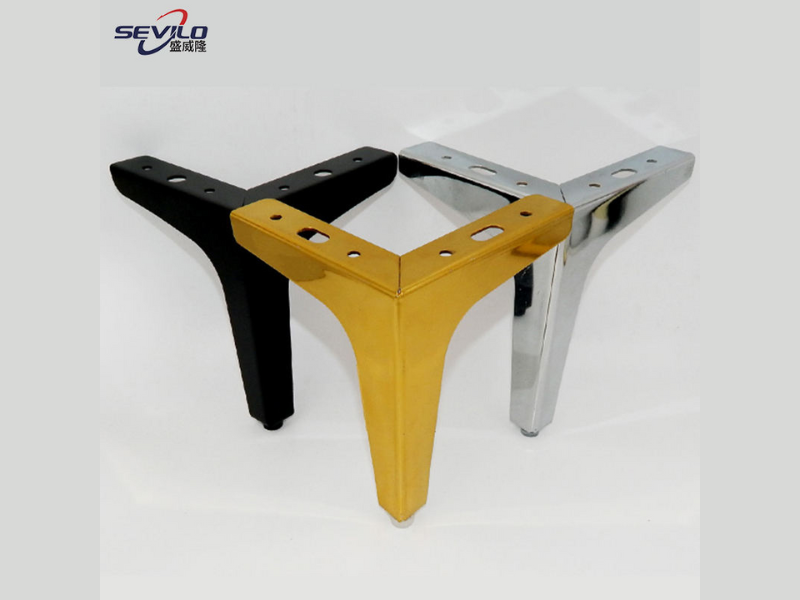
Creating the Canvas: Space and Accessibility
The most immediate effect of a metal leg sofa design is the physical void it introduces. Lifting the sofa's body transforms the area beneath it from dead space into a prime zone for storage potential.
-
Visual and Physical Breathing Room: The space under the sofa immediately makes a room feel more open and less confined. This visual lightness is a key aesthetic benefit, but it also provides the literal room needed for storage containers, bins, or integrated mechanisms to exist without making the sofa appear heavy or imposing.
-
Unmatched Accessibility: Unlike storage hidden inside a sofa's body, which often requires lifting heavy cushions or fiddling with awkward doors, the area under a metal leg sofa is typically accessible from the front and sides. This encourages the use of storage that is easy to slide in and out, making it practical for daily use with items like throw blankets, magazines, board games, or children's toys.
The Evolution of Under-Sofa Storage Solutions
With this newly defined space, designers have developed a spectrum of solutions to utilize it effectively, ranging from simple, flexible add-ons to complex, built-in systems.
-
Modular and Freestanding Solutions: The most adaptable approach uses the space as a designated nook for stylish, low-profile baskets, rolling trays, or decorative boxes. This offers maximum flexibility, allowing homeowners to change their storage strategy as needs evolve. It celebrates the design's openness while providing straightforward utility.
-
Integrated Pull-Out Drawers: A more advanced and streamlined solution involves integrating slim, full-extension drawers directly into the sofa's undercarriage. These drawers, often operating on soft-close glides, provide concealed, dust-free storage for items that need to be tucked away neatly. The success of this solution hinges entirely on the quality of the hidden hardware—the slides must be robust enough to handle significant weight while remaining exceptionally smooth and silent.
-
Lift-Up Seat Mechanisms: Some designs incorporate hydraulic or pneumatic lift mechanisms within the seat cushions themselves. While this utilizes the interior cavity rather than the space under the legs, the clean, uninterrupted lines of a metal leg sofa pair exceptionally well with this handle-free, streamlined approach to accessing bulkier, less frequently used items.
The Balancing Act: Design Aesthetics and Practicality
Incorporating storage into a metal leg sofa is a delicate exercise in balance. The goal is to enhance functionality without compromising the core design principles that make the sofa visually appealing.
-
Maintaining Visual Lightness: The storage solution must not visually "fill in" the elegant gap created by the legs. Options like open wire-frame baskets, drawers finished in a matching metal tone, or units that are subtly recessed help preserve the airy, floating aesthetic that defines the style.
-
Proportional Harmony: The scale of the storage is critical. Overly large or tall containers can make the sofa look awkward and unbalanced. The most successful solutions feel like a natural, proportional extension of the sofa's form, carefully preserving its elegant silhouette.
-
Material Cohesion: The materials chosen for storage components should complement and enhance the sofa's legs. A frame with brushed brass legs might pair beautifully with woven leather or natural rattan baskets, while a sofa with matte black steel legs could integrate seamlessly with powder-coated metal drawers or dark-stained wood boxes.
The Critical Role of Hardware and Engineering
This is where unseen excellence dictates long-term success. The feasibility, quality, and durability of integrated storage in a metal leg sofa are directly dependent on the hardware and engineering behind it.
-
Mechanisms for Movement: For pull-out drawers, premium full-extension slides are non-negotiable. They must offer silky-smooth operation, a high weight capacity, and a reliable soft-close function to ensure safety, prevent damage, and contribute to a sense of quality. For lift-up seats, dependable gas struts with the correct pressure rating are essential for safe and effortless access.
-
Structural Integration: The metal leg frame often becomes an integral part of the storage system's support structure. Mounting points for drawer glides must be meticulously engineered to distribute weight evenly back to the sofa's main frame, ensuring unwavering stability and preventing sagging or wobble over years of use.
-
Durability and Finish: All hardware, from the visible legs to the concealed drawer slides, must feature durable finishes that resist corrosion, scratching, and wear. This is especially crucial for under-sofa components, which can be exposed to dust, occasional impacts, and cleaning. High-quality powder-coating or professional plating ensures these metal components remain both functionally sound and aesthetically pristine.
In summary, the ascent of the metal leg sofa is more than a stylistic preference; it is a design philosophy that intelligently marries form and function. By elevating the furniture, it prompts a thoughtful reconsideration of storage, transforming it from an afterthought into a central component of the design narrative. The most commendable solutions are those where storage feels innate and intuitive—a seamless fusion achieved through thoughtful design and supported by robust, precision-engineered hardware. This trend powerfully demonstrates that in modern furniture, true sophistication lies not only in visible beauty but also in the intelligent, accessible utility crafted just beneath the surface.