 EN
EN


Installing Soft Closing Hidden Hinges: A Practical Guide
Hey have you ever gone in a room and the decor looked very smooth and well done. It looked like all the doors and cabinets were in smart spots and you couldn't even tell where the doors were. That look is the work of hidden hinges. Now think of that look but it was improved even more with the addition of slow closing hinges that don't make a sound when the doors close. Soft closing hidden hinges are a must on modern cabinets for homes and offices that need to close doors and cabinets without doors slamming. Let's be honest though, the installation of these hinges can be a bit tricky. If you mess it up you could have a door that closes uselessly, or even worse, damages itself, over time from constant wear. That is why easy to understand guides are a must have. We are going to take you through the entire process of installing soft closing hidden hinges in the box to the final adjustments. We will cover the tools needed, step by step installation instructions, and some pro tips to avoid mistakes.
If you're new to DIY projects or have some experience, this guide will assist you in completing this task successfully. Grab your equipment, and let us jump in to make your sights look tidier and work more harmoniously!
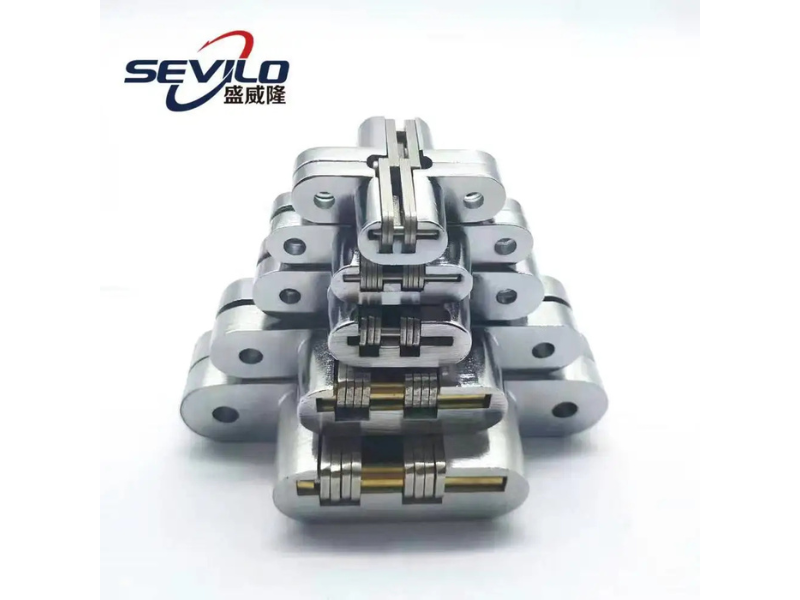
Gaining an Understanding of Soft Closing Hidden Hinges
What is, then, soft closing hidden hinges? Soft closing hidden hinges are hinges that you can't see when a door is closed, and they have a door closing mechanism that prevents slamming. They gently and quietly close a door with a guiding mechanism. The concealed part simply means that all of the hinges are covered by the door and the frame, leaving a door and frame a simple and nice look. The soft closing mechanism is a hidden hydraulic or spring system in the hinge that takes over when a door is closing to dramatically slow down the closing of a door.
You might be a little confused about how these differ from regular hinges. With standard hinges, there is a more obvious, visible door knob, frame, and hinges are, and they do not offer any soft-closure type capability. Hidden soft-closing hinges, however, are more elegant and comfortable. These hinges provide a soft, gentle closure that is unhindered by sounds, and they allow a luxurious, smooth uninterrupted decorative wall treatment that looks visually appealing. These hinges are designed with mechanisms that decelerate and control the rate at which a door closes, and they do so all the way to the end. This mechanism improves the overall the overall safety of the home, especially if there are little ones who are at risk of trapping their fingers during the door closure. Combine all of these attributes, and you get soft-closing leftover hinges that are designed to meet the demands of working quietly and giving the user a more comfortable, longer-lasting door.
Advantages of Soft Closing Hidden Hinges
You may ask: Why should I change to soft closing hidden hinges? One, and perhaps the biggest, reason of them all is the sleek, minimalist look that soft closing hidden hinges provide. Once the door is closed, the hinges are concealed, allowing for a seamless surface on wall and cabinet front. This look is a perfect fit for designs that are modern and contemporary which prioritize clean looks with uncluttered designs. You often see soft closing hidden hinges used in invisible doors that are fully integrated with the wall and disguise as a bookshelf or paneling. This design choice is also very popular in secret rooms or built in furniture as it provides a streamlined look.
Another significant benefit is the quiet. This soft close technology stops the annoying bang from doors slamming. This is especially appreciated in home and office spaces with a lot of comings and goings, and in quiet spaces like libraries and bedrooms. It also means less stress on the door and frame, meaning better durability and less repairs in the long run. Picture a kitchen with dozens of cabinets used multiple times daily, or an entrance door. They will experience less impact, shaking and noise, prolonging the life of the hinges and door materials used. In addition, the hinges also offer safety. The soft close mechanisms allow doors to close gently rather than with a bang, lowering the incidence of pinched fingers, a significant concern in households with young children. Overall, soft closing hidden hinges improve the look, feel and function of an area while also safeguarding the doors’ quality for years to come.
Necessary Tools and Materials
It is very important to collect the appropriate tools and materials beforehand so the installation will go quickly and smoothly. The following is a basic collection of what is needed. First, you will need to collect a few screwdrivers, both a standard and a Phillips head. Next, gather power drills and a variety of drill bits. A chisel with a hammer is essential to sculpt the openings within the door or frame so the hinge leaves will be housed. A carpenter's square or leveling device can be employed to check to see that your markings are straight and that the hinge is properly aligned. A measuring tape will serve to record the door thickness and where the hinges will go. If your installation is specialized, deep, and clean cuts may be needed, a router will come in handy, but a chisel can work just fine for many. Lastly, collect your safety gear; ones that can protect your eyes while working is wood chips and dust.
Now, regarding hinges themselves, there are many considerations when getting soft closing hidden hinges, so make sure to check some specifications. Look at the load capacity to determine if the hinge will be able to hold the weight of your door. If the door is recommended to be rather heavy, be sure to look for hinges with a higher weight rating. Also, the hinge material is important, so look for something durable, like stainless steel, and zinc alloy is also good for lower corrosion in humid conditions, like in bathrooms or kitchens. Also, make sure to check the hinge size and the necessary door thickness, just to have some peace of mind. Most hinges will come with screws for installation, but also be sure to have a good amount of screws of different lengths, just in case. Also, some things that are good to have are a pencil for marking, sandpaper for smoothing, a vacuum for dust, and just some extra tools that seem useful to the task at hand. These will help make the installation go smoothly without delays.
Measurements and Planning Prior to Installation
Doing installations without a plan always leads to issues. Such is the case with hinge installations, and this is why pre-installation hinging planning is paramount. Begin with the door and frame. Ensure that the door is thick enough to accommodate hidden hinges as these require a minimum thickness to account for the recess that will house the hinge. Most hinges have a specification about the thickness of the door, so check to make sure your door thickness will meet that requirement. After that, determine how many hinges you will need. Most standard interior doors require two to three hinges, but heavier doors require more. The general guideline is to have one hinge at 15-20cm from the top of the door, one at 15-20cm from the bottom of the door, and if a third one is needed, one should go in the middle.
Mark Your Hinges: Grab your measuring tape and a pencil, and let's get marking the exact spots, both on the door and the door frame, where the hinges will be going. It's important that they line up properly. For that, you can use a carpenter's square or level. that way, you can be sure hinges will be level. If you don't get the alignment correctly, the door will not close properly and may even sag. Plus, you need to consider the swing. If the door is opening inward or outward will define where the hinges will go. A good pointer is to use the hinge itself to outline where the screw holes will go, as well as where the recess area will be. Not all hinges come with paper templates, but if that is the case, you can line the hinge up with the door edge and use a pencil to outline it. Always review your measurements and alignment before you cut or drill. Proper planning will save you from a lot of trouble, and will guarantee a good working door.
Step by Step Installation Guide
The next part is the fun one, installing the hinges. It is not that difficult, so please follow the steps so we get a professional job done. The first step is to make the recesses, or mortises, for the hinge leaves. Place the hinge on the door edge in the marked area and, with a sharp pencil, trace the outline. After that, take a hammer and chisel or a router and remove the recess with care. The recess represents the depth you need to cover so that the hinge leaf is flush with the door. It can’t be so deep that the hinge leaf will sink in and it can’t be so shallow that it will stick out. This step needs patience as the hinge is to be flush with the door. Light work, multiple passes, moving slowly. Don’t remove too much at once. This step will need to be repeated for the door frame in which the other leaf of the hinge will be installed.
Once the recesses are prepared, it will be time to mount the hinges. Start by attaching the hinges to the doors. Use the screws to secure the hinges from the pilot holes, ensuring that they are fully inserted and are tight. Once properly secured, repeat the same process for the hinges on the door frames. Now that both parts are properly secured, it is time to hang the door. With the assistance of a friend or a door lifter, set the door on the frames, aligning the hinges. Once the hinges are aligned, engage the door-mounted leaf with the frame-mounted leaf. Many hidden hinges feature a snap or slide mechanism that interlocks the two parts. Once the door is in place, verify that it operates smoothly. It should be able to be opened and closed multiple times without binding or rubbing on the frame. If it is difficult to open or closes in a way that drags on the frame, you may need to adjust the hinges further in or check to make sure the cutouts are clean and ready. Lastly, if there are any covers or caps to cover the hinges and screws, it is good to install those to complete the assembly of the hardware.
Your door should be mounted with the hidden hinges now!
Adjusting Soft Close Mechanism and Testing It
The hinges are installed and now you need to customize the soft-close to your liking. Usually soft-close hidden hinges come with adjustment screws that you control to set the closing and latching speed. There are usually two different kinds of adjustments. one is for the closing speed (the speed at which the door swings shut from a fully open position to about 15 degrees). The other one is for the latching speed (the speed at which the door fully latches to the frame of the cabinet). These adjustment screws are usually somewhere on the side or end of the hinge and they can be turned with a screwdriver. Clockwise usually slows the closing motion down and counterclockwise speeds it up. Before you finalize a closing motion, it is a good idea to test the door. If the door slams shut on the last latching motion, you might need to consider slowing down the latching speed. But if the door is closing too slowly or it is never fully closing, you might need to adjust the speed up a little bit.
Balancing where the door touches snugly but closes silently, without needing to be pounded, It’s recommended to try less than a quarter turn at a time to avoid over or under closing the door, a simple test of the door closing speed+\ alignment tightly at each quarter turn. Look to see if the door h or v alignment relative to the door frame is off now that the soft closing feature is in place to be deactivated. If that is the case, off frame door position, quick small shifts to the installed soft close hinge should be enough to align the door frame crosswise. take your time, closing the door completely to ensure It is closing smoothly without resistance against the frame every time. A soft close hinge that has been optimized will close the door smoothly every time it is used, adding a valuable feature to your space.
Maintenance and Troubleshooting Common Issues
Keeping soft closing hidden hinges working improvement always requires some maintenance. Luckily, hinges hidden position closing hidden hinges are soft closing hidden hinges soft closing hidden hinges soft closing hinges are designed to be low maintenance, though low maintenance, designed to be low maintenance low maintenance hidden soft closing hinges are designed to be low maintenance soft closing hinges are designed to be low maintenance though low maintenance soft closing hinges are designed to be low maintenance soft closing hinges soft closing hidden hinges soft closing hidden hinges soft closing hidden hinges soft closing Mildew and dust can accumulate in the mechanism since the hinges are hidden. Use a soft, dry capacitance to wipe the doors edge the soft closing hinges. If needed, you can use a small scoop to remove debris from the hinge clasps. Directly applied to the soft close mechanism can damage the internal hydraulic components, so avoid lubrication, harsh chemicals, and WD 40. If the hinge begins to squeak or feel stiff, use a silicone based lubricant. It is applied lightly to the pivot points.
You may run into some common problems regardless of how carefully you've done the work to set things up and keep everything in shape. One of the main problems is that the door either is left slightly ajar and doesn't close all the way or the latch is not in the position to close the door all of the way. This may happen because of the hinges that are not working properly or there's something wrong with the soft close control. Pull the door out of the hinge and check to see that the door is aligned properly and in the right position to the door frame and readjust the hinges if need be. Another soft close problem is that it might not be working at all, and that would mean that the door shuts with a slam noise. This could mean that the hinge is damaged and the hydraulic mechanism it is holding is broken and needs to be swapped out. Sometimes, screws that are meant to keep the hinges tight can become loose, especially when the door is used a lot. If the door is saggy or the hinges are wiggly and loose, the screws on the hinge may need to be tightened more. If the problems are still not getting better, read the fixes and instructions that come with the door from the brand it had originated from and contact repair services. If you find and fix things early, you can make sure that the soft closing hidden hinges will continue to close and open in a soft manner for a long time, providing you with the ease that comes along with them.
Wrap Up
Yes, putting in soft closing hidden hinges might feel a bit daunting, but with a little bit of help, it is not too bad, and anyone can do it! From the first steps of what soft closing hidden hinges are, the benefits of soft closing hidden hinges, all the way to preparing a tool kit, making a plan, and installation with accurate measuring perfect sensing patience and soft adjusting at the end to make perfect closing hinges it is all movement forward! Genuinely the most important things are measuring to the inch perfect, making space with the router tool slowly and carefully, and being mindful of the soft closing adjustment to get the hinge to close the door seamlessly in a smooth way. It is insane how soft closing hidden hinges look, they make doors look modern and secured, and also keep the house quiet and safe. The hinge are where the door meets the frame of the room. If you are too preparing to change doors to soft closing hidden hinges, I hope you try it. I think it is a good step to finish the looks of the door. Happy installation!