 EN
EN


Choosing Invisible Hinges: Style vs Functionality
Have you ever walked into a room that felt right in harmony and balance? Everything seemed to flow together and nothing seemed to clash? It’s likely you’ve seen a door that uses invisible hinges. These unsung heroes of home design keep doors flush and keep flow visually. But when it comes to choosing the right one, how do you balance stylish, functional, and decorative? It’s a question a lot of homeowners and designers grapple with. Which is the right one: the decorative one, or the functional one? In this post, we will explore the ins and outs of invisible hinges that can make or break your design. We’ll explore how they save space in a design, and work to keep it looking seamless and modern, and the different varieties of hinges that work in different scenarios. If you are renovating a home or simply dreaming of the future, let’s unravel the mysteries of invisible hinges together. It’s time to see how something small can make a space feel big and modern. Because we think you’ll agree that it’s small details that make the biggest impact in home design.
What Invisible Hinges Are and Why We Love Them
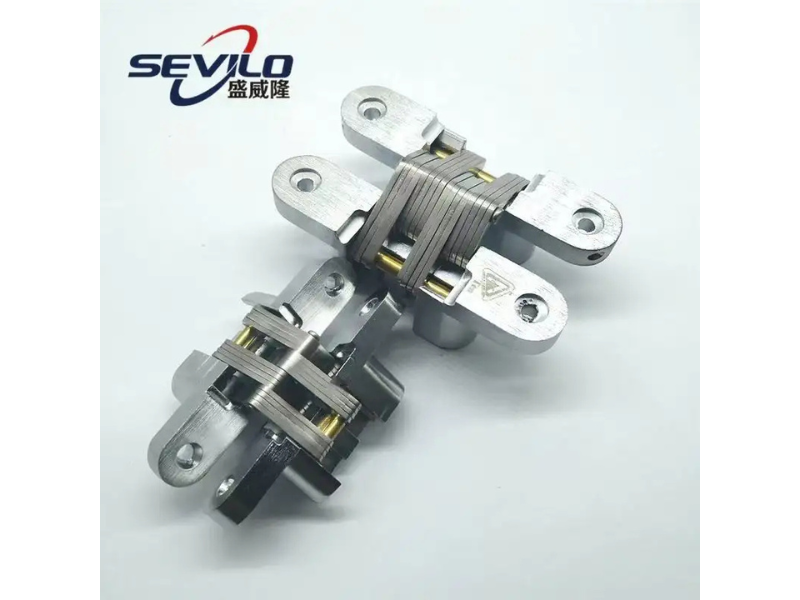
So what are invisible hinges, actually? They are hinges that you can’t see when the door is closed. No screws, no hinges, no metal parts to see. Just the doors and a nice box the hinges and screw plates tuck into. It’s visually appealing.
This is the beauty of stealth hinges! They do not show at all and are recessed into the door and frame designed so that the hinges have no presence at all. This is not a new idea; it goes back hundreds of years. For example, one of the earliest uses of the concept was the 17th century, as the French King Louis XIV had hidden doors in his private rooms in the Louvre. It was all about privacy and secrecy back then, but today, it is all about design and conserving space.
One of the biggest benefits of using invisible hinges is the seamless finish they provide. Especially in modern builds and minimalist homes, they help keep the flow of the home with clean lines and no distracting details, allowing the design to take center stage. Think of a room that has a beautiful accent wall, or is a lovely wallpaper feature. The last thing you'd want is a bulky hinge taking away from the visual flow of the room. Invisible hinges allow the door to blend into the wall; this not only enhances the design of the room but makes it feel more unified and larger. It adds the visual effect of a secret door, which is a really fun feature to have in your home! They aren't just located in doors, but are also commonly used in cabinets, furniture, and those sleek modern closets. Their hidden nature means they can work with all styles, traditional or ultra modern, without taking the focus away from the other beautiful details of the room.
Why are Invisible Hinges Stylish?
Style wise, there are few products more challenging to beat than door hardware that offers a minimalist, contemporary, custom built appearance. Think about a sleek TV wall made of wood with no exposed hardware or fasteners. With almost no visible hardware, custom built walls with functioning doors look high end and professional while allowing complete design flexibility. It's especially important to have unobtrusive hinges on walls that have custom woodwork or walls with murals to allow the design to shine. Per one design source, hidden hinges tend to tie the look of a space together and are especially beneficial in creating high style, visually cohesive design in a space with contructed bookcases or multi-functional cabinetry that also serves as a room divider.
However, the benefits these styles provide do not stop here. Various types of invisible hinges are available to meet diverse aesthetic requirements. Take the pivot door systems, for example. For instance, the FritsJurgens hinges, which are completely concealed within the door structure, have won design awards for their minimalism, which is ideal for frameless doors that function as pivoting walls. The design is nearly seamless, making the door close to invisible and keeping the room’s sightlines continuous. Then there are the hinges used in folding doors that have hidden mechanisms that allow their panels to tuck away neatly. These designs save space and add elegance to a room. For those who enjoy design customization, these hinges can be fitted with wood veneers or gloss to match any decor. The bottom line is that these hinges place a focus on style and user customization, allowing design professionals to coordinate seamless pivot doors and cabinetry.
The Practical Advantages of Invisible Hinges
Let's discuss practicality. You may assume that a product focused heavily on aesthetics would skimp on functionality; however, this is not the case. Invisible hinges perform well, to say the least. One of their strongest selling points is their slim design. In a small house or condo, every inch of space is incredibly important. Old fashioned, swinging doors take up a lot of floor space, but doors equipped with invisible hinges take up no floor space. For example, in small bathrooms or closets, the hinges take up no space and still allow the door to open all the way. They are also excellent for modern, open concepts. Picture a folding door that disappears into the wall. You can turn two cramped spaces into a large, multifunctional room.
Another benefit is durability. Quality invisible hinges are made of durable materials, stainless steel, and other rust-resistant alloys. This is perfect for moisture-laden sites, such as kitchens and bathrooms, where standard hinges will rust and wear quickly. I've heard about homeowners who installed these hinges in coastal homes, and years later, the hinges were still working as designed, rust-free, and corrosion-free. Also, many invisible hinges have adjustability, allowing for tweaks to the closing speed and alignment long after you're done installing them, so if the door sags or gets stuck in the frame, you don't have to hire a professional to fix it. It's not only looks, and they make life a little easier for you, so they are great. They've made a contribution to the functional aspects of the hinge to not just get them for looks, and from the finished hinge, you can more easily see the work design than just a hinge.
Factors to look at when buying Invisible Hinges
You are happy with invisible hinges on your doors or cabinets, but it’s time to choose which ones to get. \First, think about the material of the invisible hinges, and what they will be getting attached to. Hinges are hidden, but you will want some with a finish that prevents corrosion, as these hinges will go on doors and cabinets often in bathrooms or kitchens. Hinges made from stainless steel or zinc alloy tend to hold up well over time. Also, think about the type of closed. Is it a solid wood door or cabinet, MDF, or even glass? You'll need to take this into consideration as well when buying invisible hinges.
Next on our list is assessing size and weight capacity. Not all invisible hinges are the same. Some are made for interior doors (which are lighter), but others can be used for bigger entry doors or large pivot doors. Always pay attention to the manufacturer specifications because you don’t want to be like the people I’ve heard about who skip this step only to get hinges that get worn out on squeaky doors and out of alignment. Another important thing to keep in mind is the installation. Unlike installation of standard hinges, invisible hinges require more cutting and cutting. For example, you will need to carve recess areas on the door and the frame so the hinges can be flush. DIY enthusiasts, make sure you have the right equipment like a sharp chisel and a steady hand, or this might be a good opportunity to hire a professional. Make sure to take skip size, door swing direction, and door thickness to make sure everything matches. If you keep the details in mind, you should be able to make a good choice and use the benefits of invisible hinges for a long time.
Finding the Right Fit
How do you find the right balance between style and function? One way to do this is to fully understand your needs and the needs of the room. For example, in a modern minimalist apartment, you may want to focus on clean-lines and stealth in the trim. This is the case in pivot doors that double as functional pieces of art. In contrast, a heavily lived in family home may focus on durability. In this case you may want to select heavy-duty, soft-close, invisible hinges to help eliminate the noise of doors that tend to get slammed.
In the real world, there are visible examples of success, such as the use of hidden hinges on a library bookcase by a homeowner, which opened into a secret room. While the hinges created a fun, mysterious element, they also allowed the bookcase to be opened easily each day. Another job successfully displaying the versatility of hidden hinges, are the space-efficient, folding doors used in small studio apartments. These doors enable the space to be used in multiple configurations, while also providing style to the room. The examples demonstrate that hidden hinges meet the design and functional requirements of the job. Of course there can be challenges and possible trade-offs though. The most aesthetically pleasing hinges, such as sleeker, ultra, designs, in some cases, have higher maintenance requirements, and would need professional installation. However, with careful consideration of certain criteria such as the volume of foot traffic, humidity, and the number of doors to be used, it is usually possible to arrive at a cost-effective solution. The primary objective always is to add value to the space without causing inconvenience in day to day activities. This also applies to the use of invisible hinges in bedrooms, and large entry doors where there is a great need to combine beauty with practical use.
Care for the Invisible Hinges
When it comes to invisible hinges, the first step in ensuring their long-lasting functionality is to keep them in good condition. This is easy to do with the right upkeep. To let the hinges function the best, you should do periodic cleanings. The hinges themselves because they are invisible can accumulate dust, dirt, and other debris. Take some soft rags and a brush and clean the edges of the door and the hinge area of the dirt. Don't use aggressive cleaning supplies that can harm the hinges. If the hinges are placed in moisture-heavy rooms (like a bathroom), you should keep an eye out for rust and corrosion. A fast working tip is to apply silicone-based spray every couple of months. This keeps the hinges functioning properly while also eliminating squeaking.
Some issues will come with the territory. If the door doesn't close correctly, the screws could be loose, or the door could be misaligned. A simple removal and reinstallation might be necessary. Some invisible hinges offer minor adjustments. For example, a screwdriver can be used to change the height or depth to provide a more snug fit. If the hinge feels stiff, however, it could be an issue with dirt, wear, or debris. More often than not, a simple screw tightening, screw alignment, or plate alignment can fix the issue. If the hinges are damaged, it is best to replace them to prevent other issues. I have seen people ignore small problems that compound into much larger repairs. Implementing these maintenance tips can help invisible hinges continue to keep working as new, and keep operating quietly, close to the original standard. A good hinge keeps the same functionality and preservation of the sleek look with maintenance that hinges are often overlooked for.
Conclusion
In conclusion, these modern, streamlined, and functional hinges are a great choice for any remodeling project. We've discussed the different uses of these hinges and the ways they can enhance the appearance of your home and the functionality of your modern, secret spaces. These hinges are also practical, as they offer adjustability, durability, and space-saving benefits. If only hinge quality, weight capacity, and ease of installation are considered, people can still avoid several problems with hinge use. Regular maintenance will also avoid problems with stiction, lost motion, or wear. If you are considering a remodeling project, think of these hinges when planning the functionality and appearance of your cabinets and doors. If you've used these hinges in your home, please share your experiences with us.